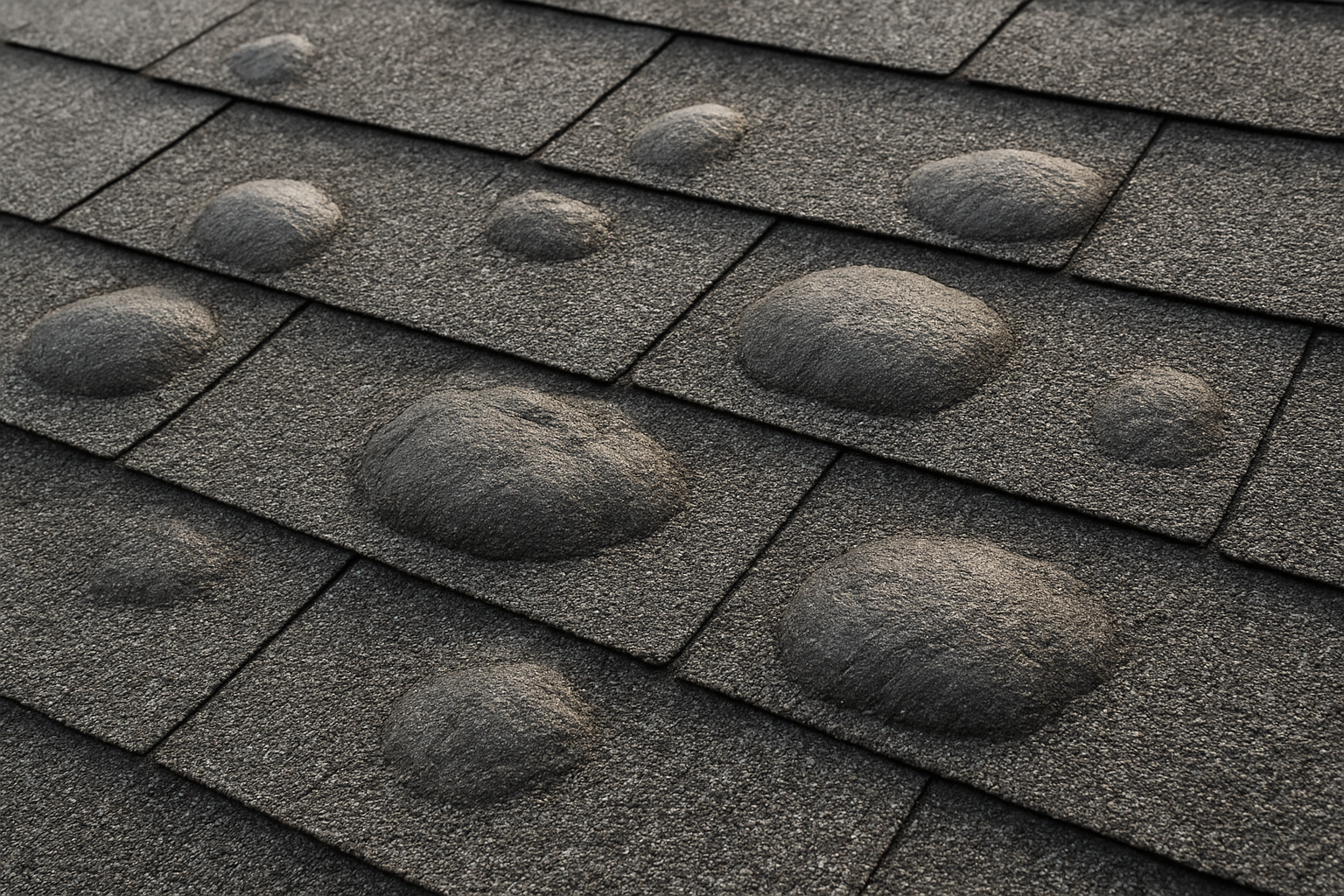
You are walking through your yard on a sunny afternoon and glance up at your roof. Instead of the flat, uniform surface you expect, you see dozens of small bubbles or “blisters” popping up across the shingles. It looks like the roof has a bad case of the chickenpox. While it might seem like a minor cosmetic blemish, these bubbles are actually a cry for help from your home. If you live in Utah, seeking professional roof repair Eagle Mountain services can help you determine if these bubbles are just old age or a sign of an impending leak. Ignoring them usually leads to a much bigger bill down the road.
The Science Behind the Bubble
Roof blisters happen when gas or moisture gets trapped between the layers of a shingle or between the shingle and the roof deck. When the sun beats down on the roof, that trapped pocket of air or water heats up and expands. Because the heat has nowhere to go, it pushes the outer layer of the shingle upward, creating that distinct bubble shape.
In many cases, this starts right at the factory. If a manufacturer accidentally traps a bit of moisture in the shingle material during production, that shingle is essentially a ticking time bomb. However, blisters can also be caused by poor installation. If the roof was installed on a day with high humidity or if the decking was damp, you are basically sealing that moisture into a dark, hot sandwich where it will eventually try to escape.
Why Granule Loss Is the Real Danger
A blister by itself is not necessarily a leak, but it is a massive weak point. The most important part of your shingle is the layer of stone granules on top. These granules act like sunscreen for your roof, blocking harmful UV rays from reaching the asphalt underneath. When a blister forms, it stretches the shingle material thin.
Eventually, those blisters “pop” or erode due to foot traffic, hail, or wind. When they break open, the granules fall away, leaving the raw asphalt exposed to the sun. Once the sun hits that unprotected spot, the shingle becomes brittle and cracks. At that point, you no longer have a waterproof barrier. You have a hole that is inviting rain and melted snow directly into your attic.
The Hidden Culprit: Inadequate Ventilation
If you notice blisters appearing all over your roof rather than just in one small patch, the problem might not be the shingles at all. Often, the real villain is your attic ventilation. A roof needs to breathe to stay healthy. If your attic is not properly vented, heat builds up to incredible temperatures during the summer months.
This extreme heat cooks the shingles from the inside out. It forces any minute amount of moisture within the roofing system to expand rapidly, causing widespread blistering. If you just replace the shingles without fixing the airflow in your attic, the new roof will likely start blistering within a few years as well. It is a cycle of damage that only stops when the temperature is regulated.
When to Repair vs When to Replace
Not every blistered roof needs to be torn off and replaced immediately. If the blisters are small and the granules are still mostly intact, you might have a few years of life left in the system. You just have to be careful not to walk on those areas, as the pressure of a boot will pop the bubbles instantly.
However, if you see “pockmarks” where blisters have already burst, or if the shingles feel crunchy underfoot, the structural integrity of the roof is compromised. Patching a few shingles is a temporary band-aid, but widespread blistering usually suggests that the entire batch of shingles is failing or the ventilation system is fundamentally broken. Getting an honest assessment of the damage is the only way to know if you are looking at a simple fix or a major project.
Final Word
Your roof is the first line of defense against the elements, so seeing bubbles on the surface is a clear warning that something is wrong underneath. Whether the cause is a manufacturing defect or a stifling hot attic, addressing the issue early prevents water damage and mold growth inside your home. If you are worried about the state of your shingles, reaching out for roof repair Eagle Mountain experts can provide the peace of mind you need. Don’t wait for the next big storm to find out that those little bubbles were actually a big deal.