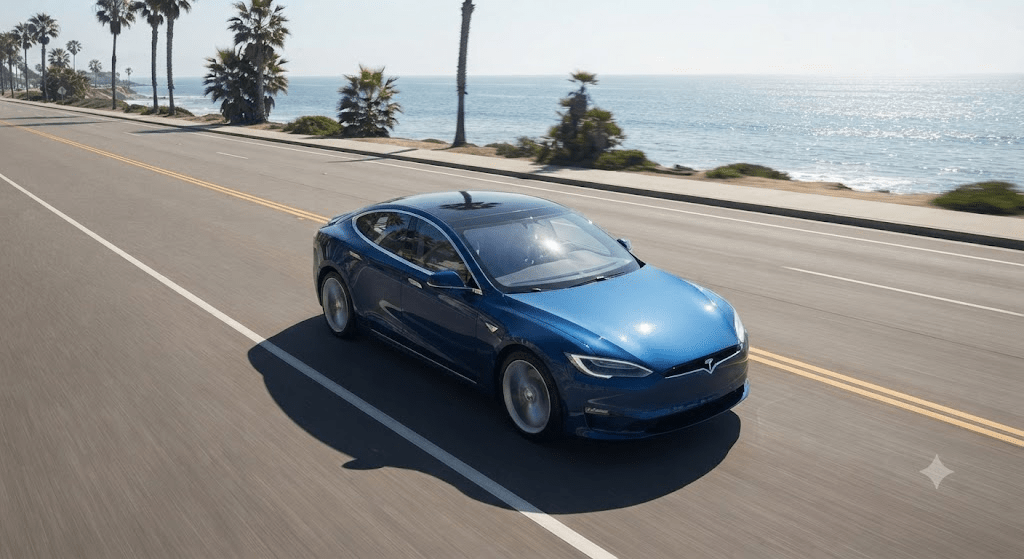
Electric vehicle technology is changing the way we move across the United States and the world. Instead of burning gas, these modern cars use clean battery power and fast electric motors to spin the wheels. Driving an electric car feels super smooth and quiet right from the moment you step on the pedal. It gives you instant speed without making any loud engine noise or shaking. People love how simple these vehicles feel compared to old gas cars. By skipping the gas station, drivers save a lot of time and money every single week. This amazing shift in how we travel helps keep our air clean and fresh.
What is an Electric Vehicle?
An electric vehicle is a smart car that runs completely on electrical power instead of standard gasoline or diesel. Inside the car, a big battery pack stores the electricity just like a giant smartphone battery. When you press the gas pedal, the car sends power from this battery to a strong electric motor. The motor then turns the wheels and pushes the car forward down the road. Because it does not have a messy fuel tank or exhaust pipe, it creates zero tailpipe pollution. It is a clean and brilliant way to travel from your home to work or school.
The Core Parts of an Electric Car
An electric car has far fewer moving parts than a traditional gas-powered vehicle. The main power source is the large traction battery pack that holds all the electrical juice. Next is the electric motor which changes stored electricity into fast mechanical motion for the wheels. The power electronics controller acts like the brain, deciding how much power goes to the motor when you push the pedal. An onboard charger helps fill up the battery when you plug the car into a wall socket or public plug. Everything works together in a neat and tidy way to keep your ride safe and smooth.
Understanding Different Types of EVs
There are a few fun types of electric cars you can see on the road today. Battery electric vehicles run entirely on battery power and never use a drop of gasoline. Plug-in hybrid electric vehicles give you the best of both worlds by combining a small gas tank with a rechargeable battery pack. Standard hybrid cars use a tiny electric motor to help save fuel, but you cannot plug them into a wall. Fully electric choices let you drive hundreds of miles on a single charge while helping our planet stay green. Picking the right style depends on how far you travel each day.
How Battery Technology Powers the Future
Batteries are the true heart of every modern electric vehicle on the market. Most cars use advanced lithium-ion battery packs because they hold a lot of power while staying lightweight. Newer affordable cars are now using lithium iron phosphate batteries which last a very long time and cost less money. Engineers are always working hard to make these batteries charge faster and hold more power for long trips. When a battery finally reaches the end of its life, many parts can be recycled safely. Better batteries mean you can travel further across the country without any worries.
The Magic of Regenerative Braking
Regenerative braking is a super cool feature that helps your electric car save extra energy. When you take your foot off the pedal to slow down, the electric motor works in reverse. Instead of wasting energy like old brake pads do, it turns the car’s forward motion back into electricity. This captured power flows right back into the main battery pack to use again later. It also means your regular brake pads wear out much slower over many years of driving. It is a clever trick that makes electric cars even more efficient in heavy city traffic.
Fast Charging and Home Charging Basics
Charging your electric car is just as easy as plugging in your phone before bedtime. You can set up a nice home charging station in your garage to fill up the battery overnight. When you take a long road trip, public fast chargers can fill your battery up in just twenty minutes. Different charging levels let you choose between slow overnight power or ultra-fast highway top-offs. Most drivers wake up every single morning with a full battery ready for the daily commute. Charging spots are popping up everywhere in towns and cities across the country.
Lower Maintenance and Running Costs
Owning an electric vehicle saves you a bundle of cash on regular maintenance bills. You never have to worry about messy oil changes, spark plugs, or broken exhaust pipes ever again. Because the motor has only a few moving parts, there is almost nothing under the hood that can break down. Charging with home electricity is also much cheaper than buying expensive gallons of gas at the station. Over the lifetime of the car, these amazing savings really add up in your pocket. It is a smart financial choice for families looking to cut down their monthly expenses.
Environmental Benefits and Zero Emissions
Switching to electric transport is one of the best ways to protect our beautiful natural environment. These cars produce zero tailpipe emissions which means they do not release dirty smog into our neighborhoods. Clean air helps kids and adults breathe easier and keeps our local communities healthy and vibrant. When you charge your car using solar or wind power, your carbon footprint drops down to almost nothing. Every electric car on the highway means less noise pollution and a cleaner future for everyone. Small green changes today create huge positive results for tomorrow.
The Exciting Future of Smart Mobility
The future of electric vehicle technology is moving faster than ever with smart new software updates. Many modern cars can receive over-the-air updates that make the vehicle better while it sits in your driveway. Self-driving safety features and collision prevention systems are getting smarter every single day to protect your family. Vehicle-to-grid systems will soon let your parked car share extra power back home during busy evening hours. Car makers are building stylish trucks, fun sports cars, and cozy family SUVs for every kind of driver. It is an amazing time to watch transportation grow into something safe and high-tech.
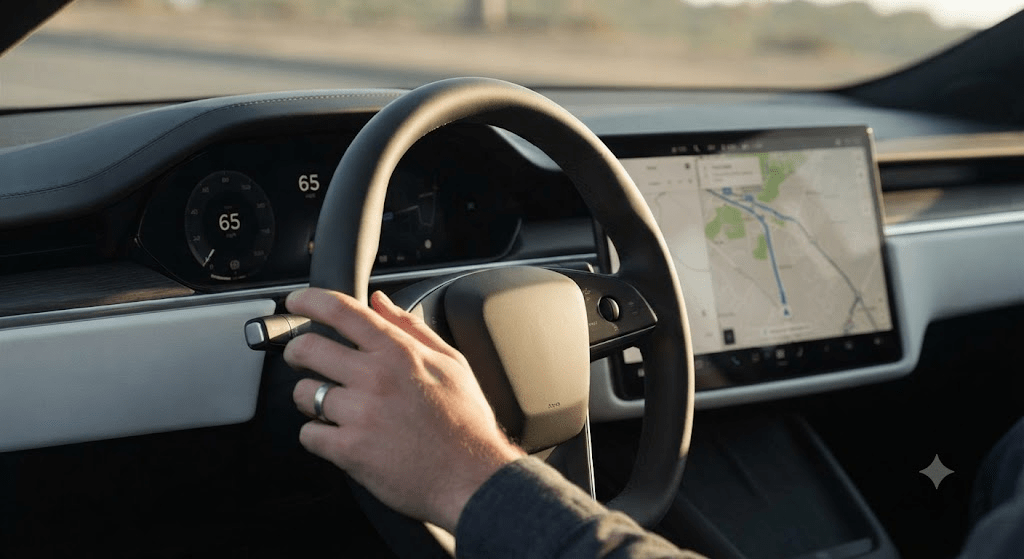
Detailed Electric Vehicle Technology Overview
| Feature / Component | Description | Main Benefit |
| Battery Pack | Stores high-voltage electricity ($kWh$) | Provides driving range |
| Electric Motor | Converts electricity into mechanical rotation | Delivers instant torque and smooth acceleration |
| Inverter | Changes DC battery power into AC motor power | Controls motor speed and efficiency |
| Regenerative Brakes | Captures kinetic energy during slowdowns | Recharges battery and saves brake pads |
| Charging Port | Connects external power to the vehicle | Enables easy home and public recharging |
FAQs
What is the main benefit of an electric vehicle?
The biggest benefit is saving money on gas and oil changes while producing zero tailpipe emissions for a cleaner environment.
How far can an electric car go on one charge?
Most modern electric cars can travel between two hundred and three hundred miles before needing a recharge.
How long does it take to charge an electric car?
Home chargers take several hours overnight, while public fast charging stations can give you a great charge in just twenty minutes.
Do electric cars need oil changes?
No, electric motors do not use engine oil, transmission fluid changes, or spark plugs, which saves you plenty of maintenance money.
What happens when the battery gets old?
EV batteries last for many years, and when they wear out, specialized recycling programs recover valuable materials to build new ones.
Can I charge my electric car at home?
Yes, you can plug your car into a standard wall outlet or install a dedicated home charging wall box in your garage.