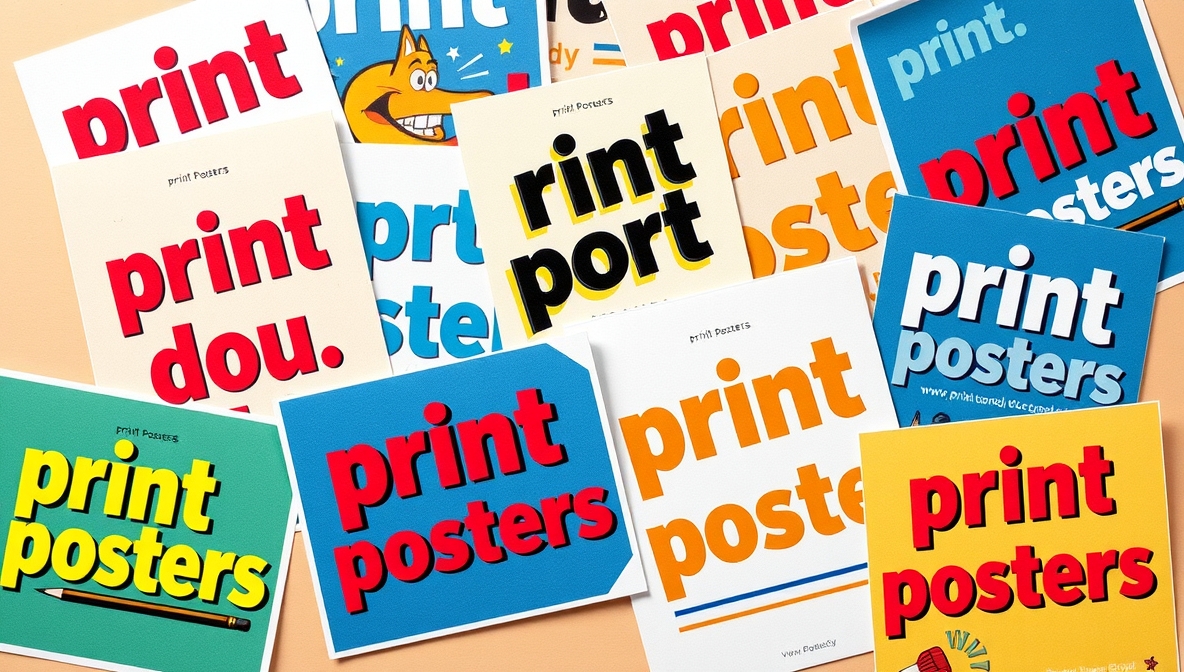
Print posters have long been a cornerstone of visual communication, offering a unique blend of creativity, expression, and functionality. From vintage movie ads to modern minimalist art, posters serve not only as decorative elements but also as powerful tools to convey messages, inspire creativity, and influence public perception. Whether you are an art enthusiast, a business owner, or someone looking to spruce up their living space, understanding the nuances of print posters can elevate the way you think about design, display, and artistic expression.
Print posters have become increasingly popular in contemporary interior design due to their versatility and accessibility. Unlike other art forms that may require frames, canvases, or expensive installations, posters provide an affordable and flexible option for personalizing spaces. Their ability to adapt to various environments—from homes to offices, schools, and public spaces—makes them a go-to choice for individuals seeking both aesthetic appeal and functionality.
The Historical Evolution of Print Posters
The journey of print posters is both fascinating and instructive. Originating in the 19th century, the earliest posters were primarily used for advertising, political campaigns, and cultural events. Lithography, a revolutionary printing technique, allowed artists to mass-produce posters, thus making art and information accessible to a wider audience. The United States played a significant role in popularizing this medium during the early 20th century, using posters as propaganda tools, promotional materials, and cultural symbols.
As technology advanced, so did the artistic complexity of posters. Artists like Henri de Toulouse-Lautrec and Alphonse Mucha pioneered styles that combined intricate illustrations with bold typography, setting the foundation for modern poster design. Today, digital printing technologies allow designers to experiment with colors, textures, and materials in ways that were unimaginable just a few decades ago. Print posters have thus evolved from functional announcements to celebrated works of art, bridging the gap between utility and creativity.
Types of Print Posters
When considering print posters, it is essential to understand the different types available, as each serves a unique purpose and aesthetic.
Movie and Entertainment Posters
Movie posters are perhaps the most iconic form of print posters, capturing the essence of a film in a single visual frame. These posters combine photography, illustration, and typography to generate excitement and anticipation. Whether displayed in theaters, homes, or entertainment venues, movie posters remain a staple in pop culture and visual storytelling.
Promotional and Event Posters
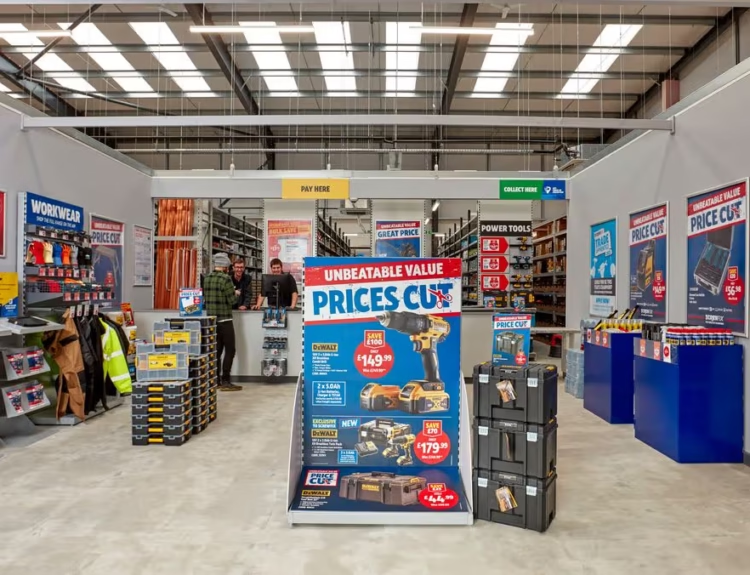
Businesses and organizations frequently use promotional posters to advertise events, sales, or products. These posters are designed with a clear focus on grabbing attention, often utilizing bold fonts, vibrant colors, and strategic placement. For businesses aiming to reach a large audience quickly, print posters provide a cost-effective and visually impactful solution.
Artistic and Inspirational Posters
Artistic posters often focus on aesthetics, creativity, and self-expression. From abstract art to motivational quotes, these posters serve as both decoration and inspiration. Interior designers often use them to enhance the visual appeal of living rooms, offices, and communal spaces. Incorporating artistic posters can transform a mundane environment into a visually stimulating and inspiring space.
Educational Posters
In schools, libraries, and other learning environments, educational posters play a critical role in facilitating knowledge retention. Visual aids such as maps, charts, and infographics are common forms of educational posters. Their purpose is to convey information clearly and memorably, making learning more engaging for students. Print posters designed for education are often vibrant, informative, and structured to encourage interaction and retention.
Choosing the Right Print Posters
Selecting the perfect poster goes beyond simply picking an image that looks appealing. Consider the following factors to ensure your choice complements the intended space and serves its purpose effectively:
Theme and Style
The theme of a poster should align with the room’s purpose and the intended message. For example, inspirational posters work well in workspaces, while artistic or abstract posters may be more suitable for living areas or galleries. The style—minimalist, vintage, modern, or eclectic—should harmonize with existing decor to create a cohesive visual experience.
Size and Placement
The dimensions of print posters are crucial to their impact. Large posters can serve as statement pieces, while smaller ones can complement other decorative elements. Placement is equally important; for instance, eye-level positioning ensures maximum visibility, and strategic spacing can prevent visual clutter. Print posters offer flexibility in size, allowing them to fit seamlessly into any environment.
Material and Print Quality
The choice of paper or material can significantly affect the poster’s appearance and durability. High-quality paper with a matte or glossy finish enhances colors and details, while durable materials such as canvas or vinyl increase longevity. Digital printing technologies now allow for high-resolution prints that retain their vibrancy over time, ensuring your posters remain visually appealing for years.
Printing Techniques for Posters
Understanding printing techniques is vital for achieving the desired visual impact. Each method has its unique advantages and applications:
Offset Printing
Offset printing is ideal for large-scale production, offering consistent color quality and sharp details. It is commonly used for commercial posters, advertisements, and promotional campaigns.
Digital Printing
Digital printing provides flexibility and speed, allowing for small batches or custom prints. This method is perfect for personalized posters, artistic designs, and limited editions.
Screen Printing
Screen printing involves transferring ink through a mesh screen onto the poster surface. It is widely used for bold, vibrant designs and can create textured effects that add a tactile dimension to the artwork.
Giclée Printing
Giclée printing is favored by artists and photographers for producing high-quality art posters. This method uses archival inks and fine art paper to achieve rich colors and intricate details. Print posters created through giclée printing are often indistinguishable from original artworks, making them highly desirable among collectors.
The Impact of Print Posters on Spaces
Posters have a remarkable ability to transform spaces, influencing mood, perception, and engagement.
Enhancing Aesthetic Appeal
Artistic and thematic posters contribute to the overall aesthetic of a room. By carefully selecting colors, patterns, and subject matter, posters can harmonize with other elements, creating a visually cohesive environment.
Creating Focal Points
Large or strategically placed posters can serve as focal points, drawing attention and guiding viewers’ gaze. In commercial spaces, such as cafes or retail stores, focal posters can direct traffic and emphasize key messages.
Stimulating Creativity and Motivation
Inspirational posters featuring quotes, innovative designs, or thought-provoking imagery can motivate and inspire individuals. In offices, classrooms, and creative studios, such posters foster an environment that encourages productivity and imagination. Print posters are not just decorative; they actively contribute to shaping the emotional and cognitive atmosphere of a space.
Preserving Culture and Memory
Posters also function as cultural artifacts, preserving historical moments, artistic movements, and societal trends. Collectors often seek vintage posters to capture a piece of history, while modern designs reflect contemporary tastes and ideas. By displaying these pieces, individuals celebrate art, culture, and collective memory.
Customization and Personalization
One of the most appealing aspects of print posters is the ability to customize them. Personalized posters allow individuals and businesses to create unique, one-of-a-kind designs that reflect their identity or message. Options for customization include:
- Personal photographs: Turning cherished memories into visually striking posters.
- Custom graphics and typography: Tailoring designs to match specific themes or branding requirements.
- Limited editions: Creating exclusive prints for collectors or special events.
Custom print posters provide a unique way to express individuality, commemorate occasions, or reinforce brand identity. By integrating personal elements, posters become more than decoration—they become meaningful expressions of identity and creativity.
Sustainability in Poster Production
As environmental concerns grow, the production of print posters has increasingly focused on sustainability. Many printing companies now use recycled paper, eco-friendly inks, and energy-efficient printing processes. Consumers can contribute by choosing sustainable options, reducing waste, and supporting companies that prioritize environmental responsibility. Sustainable practices in poster production ensure that art and design can coexist with ecological stewardship.
Marketing and Commercial Applications
Print posters remain an essential tool in marketing and commercial strategies. Businesses leverage posters to communicate effectively with customers, enhance brand visibility, and create memorable experiences.
- Retail and promotions: Posters in stores highlight new products, seasonal sales, and promotional offers.
- Events and exhibitions: Posters attract attention, convey essential information, and generate excitement.
- Brand storytelling: Artistic and thematic posters reinforce brand identity, values, and messages.
In an era dominated by digital advertising, print posters offer a tangible, physical presence that engages viewers in a way online media cannot replicate. They create lasting impressions and can complement digital campaigns by providing real-world touchpoints for audiences.
Tips for Displaying Print Posters
Displaying posters effectively is as important as choosing the right design. Consider these tips for maximum impact:
- Frame or Mount: Use frames or mounting techniques to protect posters and elevate their appearance.
- Groupings: Arrange multiple posters in cohesive collections to create visual interest and thematic unity.
- Lighting: Proper lighting enhances colors and details, making posters more vibrant and engaging.
- Rotation: Rotate posters periodically to keep spaces fresh and dynamic.
By thoughtfully displaying posters, individuals and businesses can enhance their spaces, engage viewers, and maximize the impact of their chosen designs.
The Future of Print Posters
Despite the rise of digital media, print posters continue to thrive, evolving with technology and design trends. Augmented reality (AR) and interactive posters are emerging as innovative ways to merge physical and digital experiences. These advancements allow posters to offer dynamic content, such as videos, animations, or interactive elements, creating immersive experiences for audiences.
The future of print posters is bright, combining traditional artistry with modern technology to remain relevant, versatile, and impactful. Print posters will continue to inspire, inform, and decorate, proving that tangible art maintains a unique value even in a digital world.
Conclusion
Print posters are more than mere decorations—they are versatile tools for expression, communication, and inspiration. From historical propaganda to modern art, posters have played a crucial role in shaping culture, design, and marketing. By understanding the types, printing techniques, and display strategies, individuals and businesses can maximize the impact of print posters in their spaces. Whether used to decorate a home, promote a brand, or convey a message, print posters remain timeless, accessible, and transformative.
As design trends evolve and technology advances, the relevance of print posters continues to grow. Their unique ability to combine artistry with functionality ensures that they remain a staple in interior design, education, marketing, and cultural preservation. By choosing the right posters and displaying them thoughtfully, anyone can create spaces that are visually engaging, emotionally resonant, and creatively inspiring.
Print posters are not only an art form but a means of personal and cultural expression. Their impact extends beyond aesthetics, influencing mood, perception, and communication. With careful selection, customization, and presentation, posters can transform any environment into a space of beauty, inspiration, and connection.
In conclusion, embracing the power of print posters allows individuals and businesses alike to celebrate creativity, preserve culture, and communicate messages effectively. From the United States to global audiences, the appeal of posters endures, proving that physical art and visual storytelling remain essential in a rapidly evolving world. By incorporating print posters into everyday life, we not only enhance our surroundings but also enrich our experiences, making art accessible, engaging, and meaningful.