
Are you looking for a meal that always makes everyone smile? There is nothing quite like a piping hot pan of chicken lasagne waiting on the dinner table. This dish brings together tender layers of pasta, savory shredded poultry, and a rich, creamy sauce that melts in your mouth with every single bite. When you make a homemade chicken lasagne from scratch, your kitchen fills with the most wonderful, cozy aromas that instantly welcome your family home after a long, tiring day. It is the ultimate comfort food that feels like a warm hug on a plate. Preparing this dish is a fun weekend project that brings everyone together in the kitchen to share stories, taste flavors, and build happy memories around food.
Why Chicken Lasagne is a Family Favorite
When dinner time rolls around, finding a meal that satisfies both kids and adults can feel like a tricky puzzle. Luckily, a bubbling pan of chicken lasagne solves this problem instantly because its cheesy layers and mild, savory flavors appeal to every single palate. Children love the gooey cheese and soft pasta noodles, while adults appreciate the hearty, protein-packed goodness of seasoned poultry. It is a fantastic dish for Sunday family dinners, birthday parties, or cozy winter nights when everyone wants something warm and filling. Serving a fresh slice of chicken lasagne guarantees empty plates and happy smiles all around the table, making it a reliable recipe you will want to cook again and again.
The Secret to Juicy and Tender Chicken Layers
The true secret behind an unforgettable chicken lasagne lies in how you prep and cook your meat. Instead of using dry or rubbery pieces, you want your chicken to be exceptionally juicy, tender, and bursting with rich flavor. Cooking the poultry slowly with garlic, onions, and Italian herbs allows the meat to soak up every drop of delicious seasoning before it goes into the baking dish. Once cooked, shredding or dicing the chicken finely ensures that every single forkful of your chicken lasagne has a perfect balance of meat and sauce. Taking your time during this initial step transforms a simple pasta dish into an absolute masterpiece that tastes like it came straight from a professional restaurant kitchen.
Choosing the Best Cheese for Ultimate Meltiness
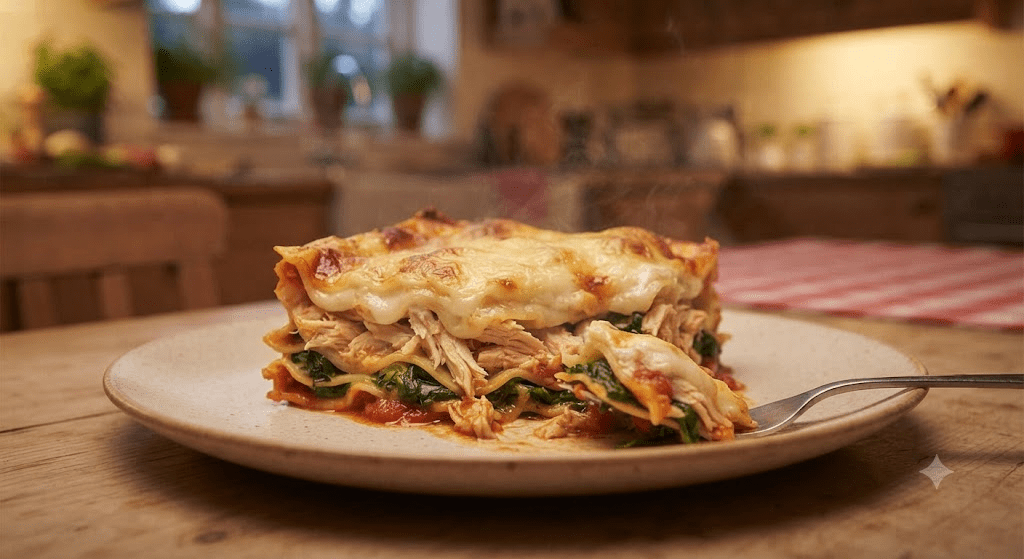
No great chicken lasagne is complete without an abundant blanket of rich, melty cheese on top and tucked between the layers. To achieve that gorgeous golden crust and satisfying stretch, combining a few different varieties works absolute wonders. Mozzarella is famous for its incredible stretch and mild, creamy profile, while parmesan adds a sharp, nutty punch that elevates the entire flavor profile of your chicken lasagne. Blending these cheeses together creates a luxurious texture that holds the layers securely while adding a decadent richness. Sprinkling a generous amount right before baking ensures your dish develops a stunning, bubbly, and irresistible top layer that everyone will fight to get a piece of.
Step-by-Step Guide to Making Rich White Sauce
A silky, velvety white sauce, often called béchamel, gives a classic chicken lasagne its signature creamy texture and luxurious depth. Making this sauce from scratch is surprisingly simple when you melt butter in a saucepan, whisk in an equal amount of flour, and slowly pour in warm milk while stirring constantly. Letting the mixture bubble gently on low heat thickens it into a smooth, glossy liquid that coats the back of your spoon. Stirring in a pinch of salt, black pepper, and nutmeg adds a warm, aromatic kick that enhances the flavor of your chicken lasagne exponentially. Pouring this lush white sauce generously between your pasta sheets guarantees a moist, melt-in-your-mouth experience in every bite.
How to Layer Your Lasagne Like a Pro
Layering your chicken lasagne correctly is an art form that ensures structural integrity and an even distribution of flavors in every bite. Begin by spreading a thin layer of sauce on the bottom of your baking dish to prevent the pasta sheets from sticking and burning. Next, lay down your first row of pasta, followed by a generous spoonful of your seasoned chicken mixture, a drizzle of white sauce, and a handful of shredded cheese. Repeat this wonderful stacking process until your pan is full, making sure to top the final layer of pasta with extra sauce and a heavy blanket of cheese for that dreamy crust. Taking care during this step guarantees your chicken lasagne slices cleanly and looks stunning when served.
Baking Tips for a Golden and Bubbly Crust
Achieving that bakery-style golden crust on top of your chicken lasagne requires just a few simple tricks and proper oven management. Preheating your oven to the correct temperature ensures the dish cooks evenly right from the start without drying out the delicate pasta edges. Covering the baking dish with aluminum foil for the first portion of the baking time traps the steam, allowing the noodles to soften completely and cook through. Removing the foil during the last ten minutes lets the cheese brown nicely and bubble up into a gorgeous golden blanket. Allowing your finished chicken lasagne to rest for ten minutes after baking lets the juices settle, making it much easier to cut and serve without falling apart.
Nutritional Benefits and Smart Ingredient Swaps
While a traditional chicken lasagne is rich and indulgent, you can easily tweak the ingredients to fit your personal health goals without sacrificing flavor. Substituting regular pasta sheets with whole wheat or vegetable-based alternatives boosts the fiber content of your meal significantly. You can also use lean chicken breast and skim milk to keep the calorie count lower while still enjoying a hearty, satisfying dinner. Adding hidden pureed vegetables into your white sauce or chicken mixture is a brilliant way to sneak extra nutrients into picky eaters’ meals. Making these smart, wholesome swaps allows you to enjoy your favorite comfort food guilt-free as part of a balanced, healthy weekly diet.
Creative Ways to Add Extra Veggies
If you want to pack extra vitamins and vibrant colors into your chicken lasagne, incorporating fresh vegetables is a fantastic culinary strategy. Finely diced bell peppers, sautéed mushrooms, fresh spinach, and grated zucchini blend seamlessly into the chicken and sauce mixture without altering the classic taste. Sautéing these veggies beforehand ensures they release excess moisture so your dish stays perfectly thick and delicious. Not only do these colorful additions boost the nutritional value of your chicken lasagne, but they also introduce wonderful textures and earthy flavors that complement the savory poultry and creamy cheese wonderfully. It is a foolproof way to make your favorite meal even more wholesome and satisfying.
How to Store, Freeze, and Reheat Your Leftovers
Leftover chicken lasagne often tastes even better the next day as the rich flavors have more time to mingle and deepen inside the fridge. You can easily store any remaining portions in an airtight container in the refrigerator for up to three or four days. If you want to save a pan for a busy weeknight in the future, freezing an unbaked or fully baked chicken lasagne works like an absolute charm. Just wrap the dish securely in plastic wrap and heavy-duty aluminum foil before placing it in the freezer for up to two months. When you are ready to eat, thaw it overnight in the fridge and reheat it thoroughly until piping hot and bubbly.
Chicken Lasagne Quick Facts and Overview
| Feature | Detail |
| Prep Time | 30 Minutes |
| Cook Time | 45 Minutes |
| Total Time | 1 Hour 15 Minutes |
| Servings | 6 to 8 Hungry People |
| Main Focus Keyword | chicken lasagne |
| Best Served With | Garlic Bread and Fresh Green Salad |
Frequently Asked Questions
Can I use store-bought sauce for my chicken lasagne?
Yes, you can save time by using a jar of your favorite white or red sauce. However, making a quick homemade sauce gives your chicken lasagne a much richer and fresher taste.
How do I stop my chicken lasagne from getting too watery?
Make sure your cooked chicken and vegetable mixture is not too runny before you start layering. Letting your chicken lasagne rest for ten minutes after baking also helps it hold its shape.
Can I freeze an unbaked chicken lasagne?
You can easily freeze an unbaked chicken lasagne for up to two months. Just wrap it tightly in foil, and then bake it straight from frozen by adding a little extra cooking time.
What is the best type of cheese to use on top?
A mix of mozzarella and parmesan creates the ultimate cheesy topping. The mozzarella gives you those fun, stretchy pulls, while the parmesan adds a sharp, nutty flavor to your chicken lasagne.
Can I use ground chicken instead of shredded chicken?
Ground chicken works wonderfully if you prefer a texture closer to traditional beef lasagne. Just brown the meat in a pan with your favorite seasonings before adding it to your chicken lasagne layers.
How long should I bake my chicken lasagne?
Bake your chicken lasagne at 375 degrees Fahrenheit for about forty-five minutes. You will know it is ready when the cheese on top turns golden brown and the edges are bubbling happily.
Conclusion
Making a delicious chicken lasagne at home is a wonderful way to show love to your family and friends. With its layers of cheesy goodness and tender meat, every single bite is pure joy. Now that you know all the best tips, it is time to tie on your apron and head into the kitchen. Gather your ingredients, start cooking your very own chicken lasagne today, and enjoy a wonderful, heartwarming meal together!