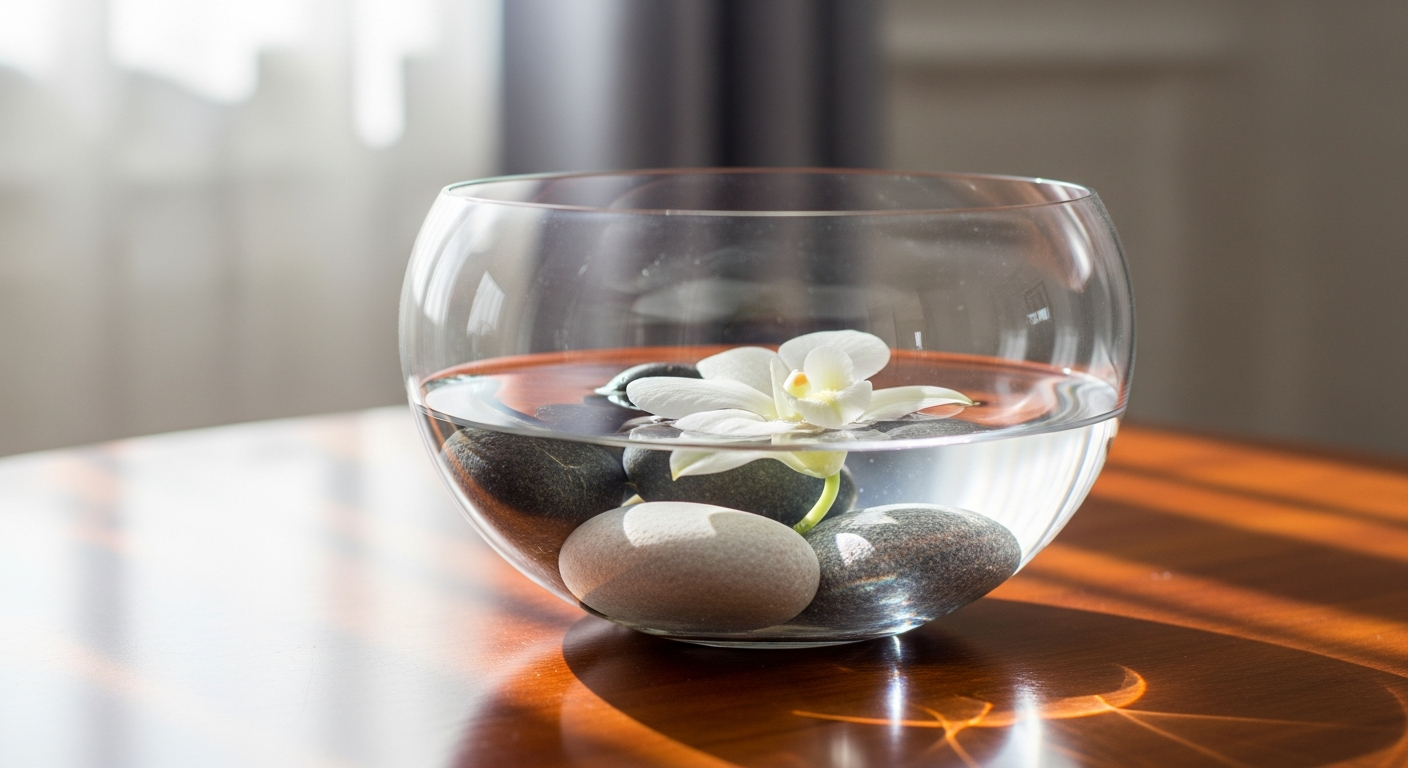
Bowl of Glass is a small thing, but it can make your home look very nice. bowl of glass can shine, reflect light, and make any room feel clean and bright. Many people love using glass bowls because they look modern, simple, and stylish. A bowl like this can hold food, flowers, candles, keys, soaps, or just air as decoration. When you add a bowl of glass to your home, you add a touch of beauty without needing big changes. In this long guide, I want to talk to you in easy English, just like a friendly blog, and help you understand how a glass bowl can be useful, safe, beautiful, and special.
Some bowls are clear, some are colored, and some have shapes or designs. They can make your table look pretty during dinner, or they can sit on a shelf as simple art. They are not heavy like metal bowls, and they are not dull like plastic bowls. They are bright, shiny, and always carry a clean look. When someone walks into a home, the first thing they see might be a shiny glass bowl with fruits or flowers, and it makes the place feel welcoming. Bowl of glass is used all around the world because people love simple things that look nice and last long.
Bowl of Glass Uses That Make Your Home Look Fresh
A bowl of glass can make any part of your home look fresh and bright because it reflects light and creates a clean feeling. When you place it on a table, shelf, or countertop, it brings a soft shine that makes the whole space feel new. You can fill it with fruits, flowers, scented candles, or even small plants to create a natural and happy look. Many people love using a glass bowl because it fits any room style and never looks too much. It is simple, pretty, and always helps your space feel calm. With just one bowl of glass, your home can look more inviting without spending a lot of money or making big changes.
Why a Bowl of Glass Is the Best Simple Décor Item
A bowl of glass is one of the best simple décor items because it works in almost every room and looks good in any season. Its clear look makes it match with all colors, so you never need to worry about clashing styles. You can change what you put inside it anytime, making the decoration flexible and fun. It can be elegant, playful, modern, or classic depending on how you use it. Many people love it because it is easy to clean, safe to use, and looks expensive even when it is not. A glass bowl is a décor item that keeps your home looking classy, tidy, and warm without much effort at all.
Creative Ways to Style a Bowl of Glass in Any Room
There are many creative ways to style a bowl of glass in any room of your home. In the living room, you can fill it with colorful stones, potpourri, or floating candles to add calm beauty. In the kitchen, you can keep fresh lemons or apples inside it to add color and freshness. In bedrooms, you can use it to hold jewelry, perfumes, or dried flowers. Bathrooms look lovely when you fill a glass bowl with soaps, shells, or small towels. The best part is that you can change the look anytime by switching what you place inside. It is an easy way to decorate without spending a lot or doing much work.
Bowl of Glass Care Tips to Keep It Shiny and Safe
To keep your bowl of glass shiny and safe, you only need simple habits that take a few minutes. First, always wash it with warm water and mild soap to remove fingerprints and dust. Use a soft cloth so you do not scratch the surface. Dry it fully so water spots do not form. Store it gently on a stable shelf where it cannot fall or bump into other items. When using it for food, avoid extreme temperature changes because glass may break if it becomes too hot or too cold suddenly. With small, careful steps, your glass bowl can stay beautiful, clear, and sparkling for many years without losing its charm.
Different Types of Bowl of Glass and How to Choose One
There are many types of bowl of glass, such as clear bowls, colored bowls, patterned bowls, thick bowls, and handmade bowls. Each style gives a different mood to your home, so choosing the right one depends on what look you want. Clear bowls are best for a clean and simple style. Colored bowls add energy and fun. Patterned bowls bring extra beauty. Thick bowls are stronger and safer. Handmade bowls feel special and artistic. When choosing, think about where you will place it and what you want to put inside. Pick a size that fits the space and a design that matches your taste. This makes your bowl both useful and beautiful.
How a Bowl of Glass Makes Small Spaces Look Bigger
A bowl of glass can make small spaces look bigger because it reflects light and has a see-through body that doesn’t block the view. When the bowl shines under natural or indoor light, it adds brightness to the room, making it feel more open. Small rooms often feel crowded with heavy objects, but a glass bowl keeps things light and airy. It gives decoration without taking visual space. When you place it near a window, it catches the sunlight and spreads a gentle glow around the area. This soft sparkle makes the whole room feel wider and fresher. It is one of the easiest tricks to make tiny spaces feel more comfortable.
Smart Storage Ideas Using a Bowl of Glass
A bowl of glass can be a smart storage helper because it organizes small items while still looking pretty. In your entryway, you can keep keys, coins, or small notes inside it so they do not get lost. In the bathroom, you can store cotton balls, makeup pads, or bath salts to keep things neat. On your desk, it can hold pens, clips, or sticky notes in a tidy way. In the kitchen, it can store garlic, nuts, or wrapped candies. Because it is clear, you can always see what is inside, making it easy to find things. It keeps your home organized while still looking stylish and simple.
Bowl of Glass for Food, Décor, and Daily Life
A bowl of glass is helpful for food, décor, and everyday life because it has so many uses. You can serve salads, snacks, fruits, or desserts inside it, and the clear glass makes the food look more colorful. For décor, you can fill it with flowers, stones, shells, or lights to create a soft, lovely mood. In daily life, it helps you keep small things in order, like accessories, craft materials, or tiny tools. It is easy to wash, safe for most foods, and strong enough for everyday use. Its simple style blends with any home design, making it an item that always fits your needs.
Conclusion
A bowl of glass may look like a small thing, but it brings a warm and friendly feeling into any home. It is simple, shiny, and easy to use, which makes it a favorite décor item for many people. When you place it on a table or shelf, it quietly adds beauty without asking for attention. It matches with bright rooms, dark rooms, big rooms, or small rooms because it blends in so nicely. Many people love how it can change the look of a space without needing any big effort. You only need to put something inside it, and suddenly the whole area looks more alive and welcoming.
When you use a bowl of glass in your home, you start to see how helpful it can be in many situations. It is not just for decoration; it is also great for holding things you use every day. You can place keys, jewelry, candies, soaps, or even small plants inside it, and everything stays neat. This is why a bowl of glass becomes a small helper in daily life. It keeps things organized while still looking lovely. You do not feel stressed about mess because the clear bowl shows everything in a clean and simple way. It helps your space feel calmer, and a calm space helps you feel better too.