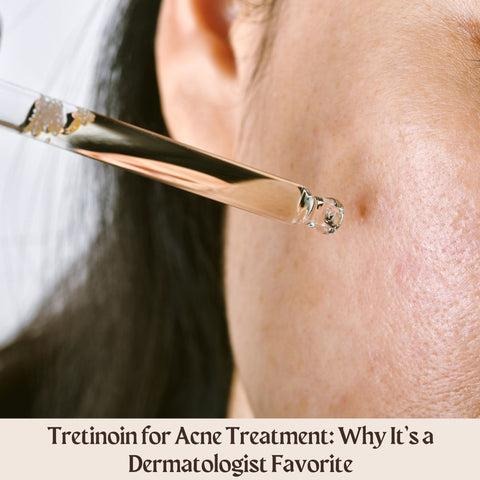
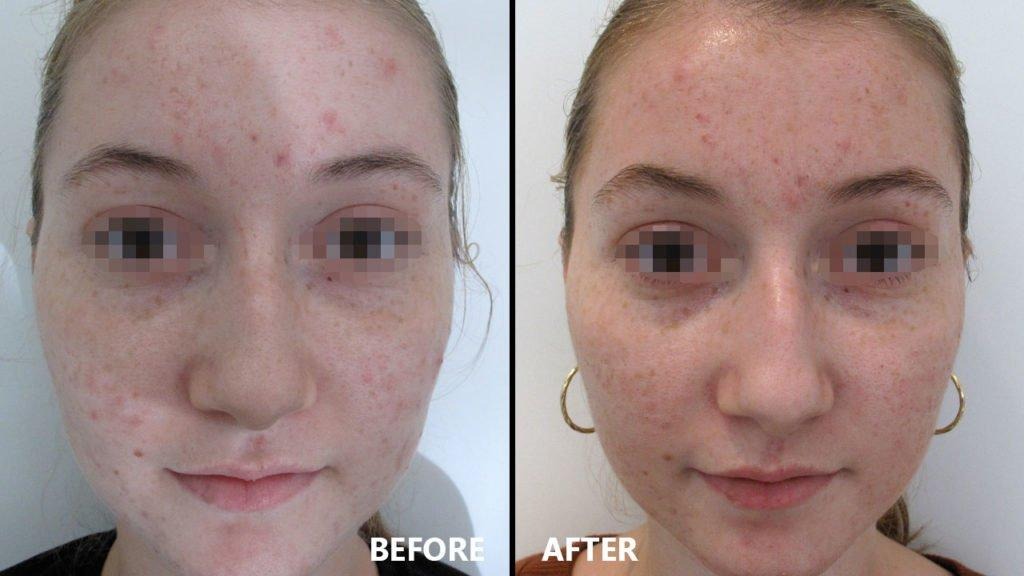
Retin-A Gel (tretinoin gel USP) is one of the most established and clinically studied topical retinoid treatments in dermatology. Tretinoin, a vitamin A derivative, is widely prescribed for acne vulgaris, clogged pores, uneven skin texture, post-acne marks, and early signs of photoaging.
Unlike temporary cosmetic treatments, tretinoin works at the cellular level by accelerating skin turnover and influencing the behavior of skin cells over time. Because of this, Retin-A Gel is often considered a long-term therapeutic treatment rather than a short-term skincare product.
What Retin-A Gel Is Used For
Tretinoin gel formulations are commonly prescribed for:
- Acne vulgaris
- Blackheads and whiteheads
- Oily and acne-prone skin
- Rough or uneven skin texture
- Post-inflammatory hyperpigmentation
- Fine lines associated with photoaging
Retinoid therapy is often recommended when standard over-the-counter skincare products fail to produce meaningful improvement.
For a detailed overview of strengths, application methods, and treatment expectations, see this guide on how Retin-A Gel (tretinoin gel USP) is used for acne and skin renewal therapy:
retin-a gel tretinoin usp treatment guide
How Tretinoin Works
Tretinoin affects multiple processes inside the skin simultaneously.
Its primary mechanisms include:
- Increasing skin cell turnover
- Preventing blockage inside pores
- Reducing formation of comedones (blackheads and whiteheads)
- Promoting exfoliation of damaged skin cells
- Supporting collagen production over time
Because acne often begins with clogged pores and abnormal keratinization, tretinoin directly targets one of the underlying causes rather than only reducing inflammation temporarily.
This is one reason why tretinoin remains a cornerstone treatment in dermatology decades after its introduction.
Why Gel Formulations Are Commonly Used
Gel-based tretinoin formulations are often preferred for:
- Oily skin
- Acne-prone skin
- Individuals who dislike heavier creams
Compared to cream formulations, gels typically:
- Feel lighter on the skin
- Absorb more quickly
- Produce a less greasy finish
However, gels may sometimes cause slightly more dryness or irritation, especially during the first stages of treatment.
The “Retinization” Adjustment Period
One of the most important things patients should understand is that tretinoin often requires an adaptation phase commonly referred to as “retinization.”
During early treatment, some users experience:
- Dryness
- Redness
- Peeling
- Tightness
- Temporary acne flare-ups
This adjustment period does not necessarily mean the treatment is failing.
As skin turnover accelerates:
- Existing clogged pores may surface more quickly
- The skin barrier temporarily becomes more sensitive
- Visible irritation may increase before stabilization occurs
For many users, this phase gradually improves after several weeks of consistent use.
How to Use Retin-A Gel Properly
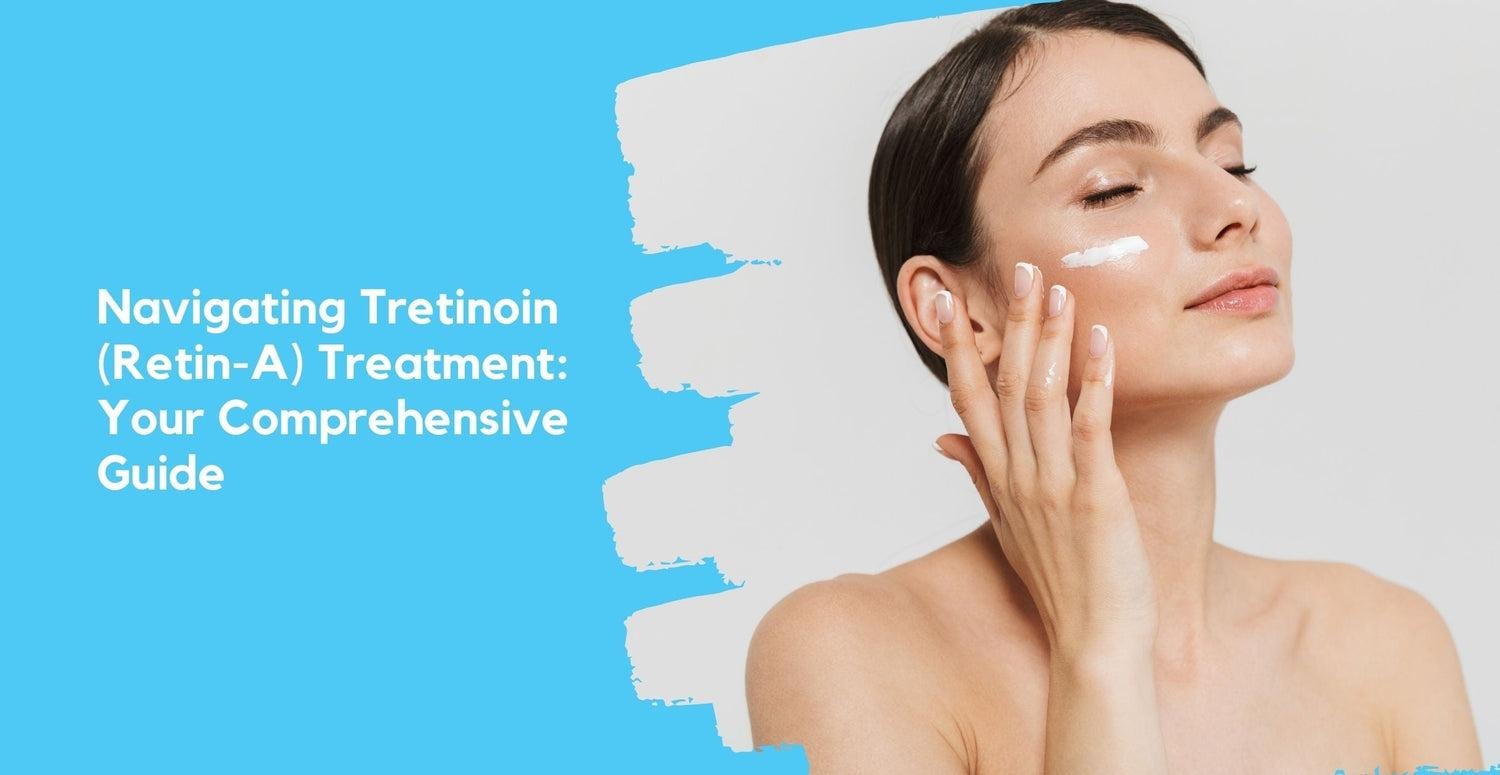
Correct application significantly improves tolerability and long-term results.
Typical recommendations include:
- Apply once daily at night
- Use only a small pea-sized amount
- Apply to dry skin after cleansing
- Avoid excessive application
Using too much product does not improve results faster and may greatly increase irritation.
Many dermatologists also recommend:
- Starting every other night initially
- Using gentle cleansers
- Applying moisturizer consistently
- Avoiding harsh exfoliants during adjustment
Importance of Sun Protection
Tretinoin increases skin sensitivity to ultraviolet exposure.
Without proper sun protection:
- Irritation may worsen
- Hyperpigmentation risk may increase
- Skin barrier recovery becomes more difficult
Daily sunscreen use is considered essential during tretinoin therapy.
Broad-spectrum SPF protection is often recommended regardless of weather conditions because UV exposure can interfere with treatment progress.
Long-Term Benefits Beyond Acne
Although tretinoin is most widely known for acne treatment, long-term use may also improve:
- Fine lines
- Skin texture
- Pigmentation irregularities
- Photoaging changes
- Overall skin smoothness
This occurs because tretinoin influences collagen remodeling and epidermal renewal over extended periods.
Because these effects develop slowly, consistent long-term use is often more important than short bursts of aggressive treatment.
Combining Tretinoin With Other Treatments
Tretinoin is frequently combined with:
- Benzoyl peroxide
- Antibiotics
- Hydroquinone
- Azelaic acid
- Moisturizers designed for barrier support
Combination therapy is common because acne and pigmentation disorders often involve multiple biological mechanisms at the same time.
However, combining strong active ingredients without proper guidance may increase irritation risk.
Possible Side Effects
Common side effects include:
- Dryness
- Peeling
- Mild burning sensation
- Temporary redness
- Increased sensitivity
Most side effects improve with:
- Gradual introduction
- Consistent moisturizing
- Reduced application frequency when needed
Severe irritation is less common when treatment is introduced carefully.
Clinical Information
For medically reviewed information on tretinoin and topical retinoid therapy, see this clinical overview of tretinoin mechanism and topical treatment safety:
tretinoin topical therapy clinical overview
Long-Term Expectations and Patience
One of the biggest misconceptions about tretinoin is expecting rapid results.
In reality:
- Early irritation is common
- Visible improvement often takes weeks
- Structural skin changes may require months
Patients who continue treatment consistently often notice:
- Fewer breakouts
- Smoother texture
- More even skin tone
- Reduced congestion
Patience and consistency are usually more important than treatment intensity.
Conclusion
Retin-A Gel (tretinoin gel USP) remains one of the most effective long-term topical treatments for acne, clogged pores, and skin renewal. By accelerating cellular turnover and improving pore function, it addresses several underlying causes of acne while also supporting broader skin texture improvement over time.
With proper application, sun protection, and gradual adjustment, tretinoin therapy can produce significant long-term benefits for both acne-prone and photoaged skin.